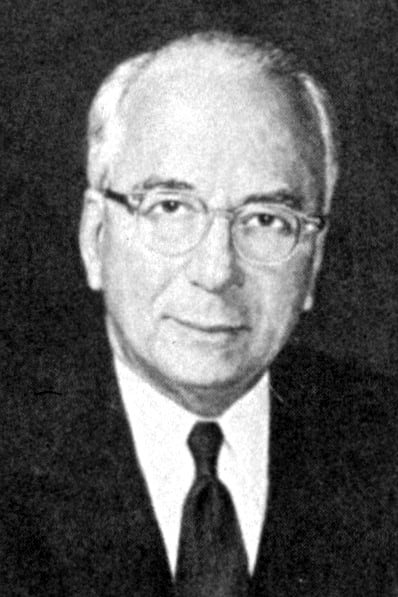
Lewis Strauss
Biography
Lewis Lichtenstein Strauss (/ˈstrɔːz/ STRAWZ; January 31, 1896 – January 21, 1974) was an American government official, businessman, philanthropist, and naval officer. He was one of the original members of the United States Atomic Energy Commission (AEC) in 1946 and he served as the commission's chairman in the 1950s. Strauss was a major figure in the development of nuclear weapons after World War II, nuclear energy policy, and nuclear power in the United States. Raised in Richmond, Virginia, Strauss became an assistant to Herbert Hoover as part of the Commission for Relief in Belgium during World War I and the American Relief Administration after that. Strauss then worked as an investment banker at Kuhn, Loeb & Co. during the 1920s and 1930s, where he amassed considerable wealth. As a member of the executive committee of the American Jewish Committee and several other Jewish organizations in the 1930s, Strauss made several attempts to change U.S. policy in order to accept more refugees from Nazi Germany but was unsuccessful. He also came to know and fund some of the research of refugee nuclear physicist Leo Szilard. During World War II, Strauss served as an officer in the U.S. Navy Reserve and rose to the rank of rear admiral due to his work in the Bureau of Ordnance in managing and rewarding plants engaged in production of munitions. As a founding commissioner with the AEC during the early years of the Cold War, Strauss emphasized the need to protect U.S. atomic secrets and to monitor and stay ahead of atomic developments within the Soviet Union. Accordingly, he was a strong proponent of developing the hydrogen bomb. During his stint as chairman of the AEC, Strauss urged the development of peaceful uses of atomic energy, and he predicted that atomic power would make electricity "too cheap to meter". At the same time, he downplayed the possible health effects of radioactive fallout such as that experienced by Pacific Islanders following the Castle Bravo thermonuclear test. Strauss was the driving force behind physicist J. Robert Oppenheimer's security clearance hearing, held in April and May 1954 before an AEC Personnel Security Board, in which Oppenheimer's security clearance was revoked. As a result, Strauss has often been regarded as a villain in American history. President Dwight D. Eisenhower's nomination of Strauss to become U.S. secretary of commerce resulted in a prolonged, public political battle in 1959 where Strauss was not confirmed by the U.S. Senate. Description above from the Wikipedia article Lewis Strauss, licensed under CC-BY-SA, full list of contributors on Wikipedia.
Known For
Prominent works featuring Lewis Strauss
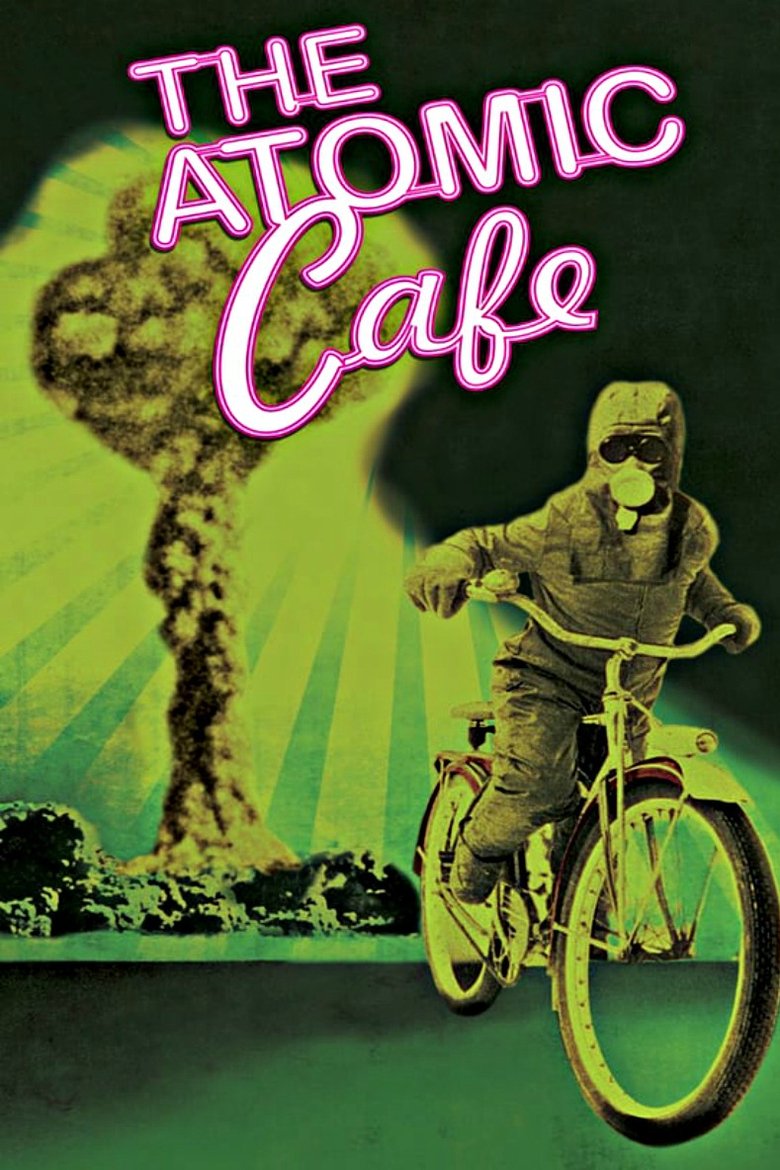
The Atomic Cafe
Breakpoint: A Counter History of Progress
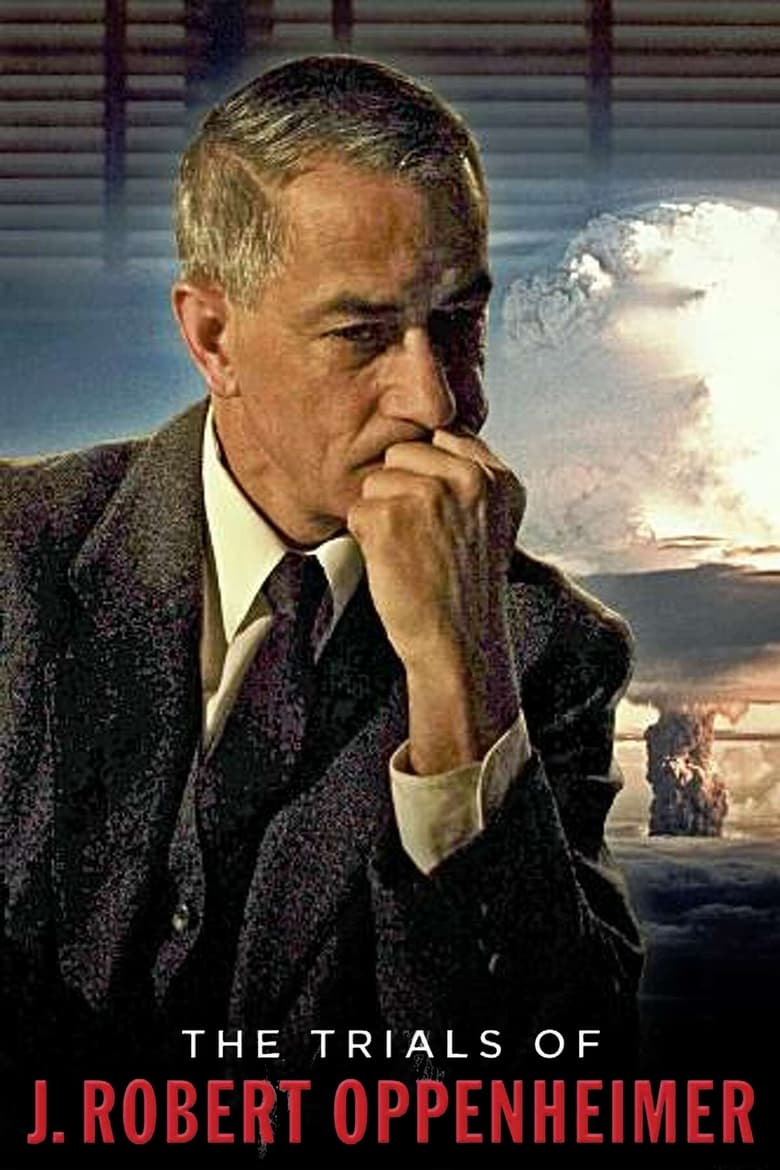
The Trials of J. Robert Oppenheimer
Too Near the Sun
100 Years of the Atom
Small World
Filmography & Credits
Complete career catalog (6 titles)
| Poster | Title | Character / Role | Type | Year |
|---|---|---|---|---|
 | 100 Years of the Atom | Self (archive footage) | Movie | 2020 |
 | Breakpoint: A Counter History of Progress | Self (archive footage) | Movie | 2019 |
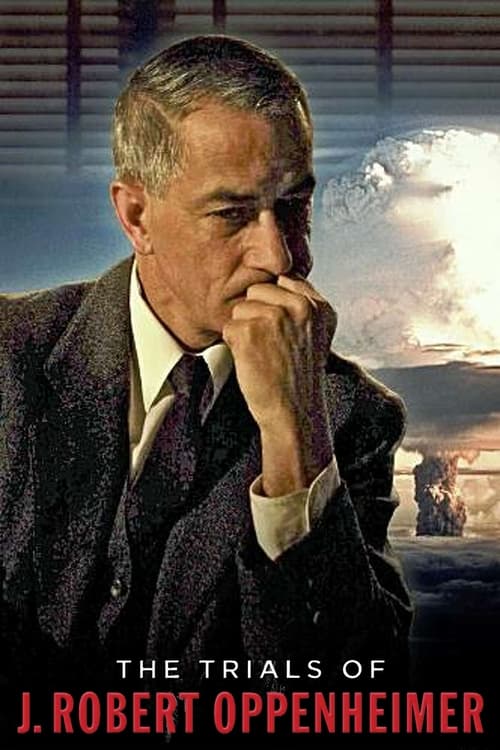 | The Trials of J. Robert Oppenheimer | Self (archive footage) | Movie | 2008 |
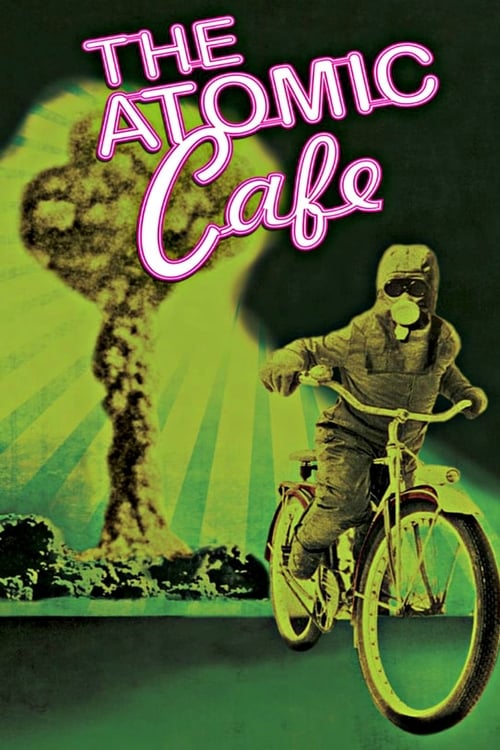 | The Atomic Cafe | Self (archive footage) | Movie | 1982 |
 | Too Near the Sun | self (archive footage) | Movie | 1966 |
| Small World | Self | TV Series | 1958 |